

Introduction
Yes, metal cleats can be allowed in soccer, but permission is not universal. IFAB’s Laws of the Game do not impose a blanket ban on metal studs. The equipment must not be dangerous, and your league, tournament, school or field may have additional restrictions.
Metal studs are often found on soft-ground soccer cleats made for soft natural grass. Before wearing or buying a pair, check the rules for your competition and venue, confirm that the cleat is intended for your field, and inspect the studs for damage. A referee can require a player to address unsafe equipment before playing.
What the soccer rules say about metal studs
The general rule focuses on dangerous equipment
IFAB’s Law 4 covers players’ equipment and requires that equipment not be dangerous. As Pro Soccer’s explanation of metal cleats notes, that is different from a rule prohibiting every stud made of metal.
A metal stud is therefore not automatically disallowed under that general standard. Its condition matters: a damaged stud with a sharp edge is a different question from an intact soccer stud in its original condition. The match referee can assess equipment and require a player to correct a problem.
That does not mean every intact metal-studded cleat is approved for every game. A competition can have its own equipment requirements, and a facility can set footwear rules for its field. Those checks are separate from deciding whether a particular stud appears damaged.
A cleat can pass a general equipment check and still be prohibited by the competition or field. Confirm all three before relying on it for a match.
Youth, school and tournament rules can differ
There is no universal age at which metal studs become allowed or prohibited in youth soccer. Rules can differ among leagues, age divisions, clubs, tournaments and venues. A coach can help you find the relevant information, but the competition’s published requirements or organizer are the right places to confirm it.
For high school soccer, check the rules used by the school’s competition and any applicable state association or event requirements. Do not assume that a cleat accepted in a club match will also be accepted in a school match, or the other way around.
Tournaments deserve a separate check even when your regular league allows a pair. An event may use several facilities with different playing surfaces or footwear policies. Ask about every venue where the team could play, including an alternate field, rather than checking only the first scheduled match.
What to ask before buying or playing
A useful question includes more than “Are metal cleats allowed?” The answer can change depending on the division, field and exact footwear. Give the organizer enough information to identify what you intend to wear.
- Identify the competition. Give the league or tournament name, team and age division.
- Describe the cleat. Provide the brand, model, outsole type and whether the studs are metal or metal-tipped and removable.
- Confirm the field. Ask whether the game is on natural grass, artificial grass or another surface, and whether the venue has its own restrictions.
- Check the ruling. Ask where the footwear requirement is published and who can clarify it if the wording is unclear.
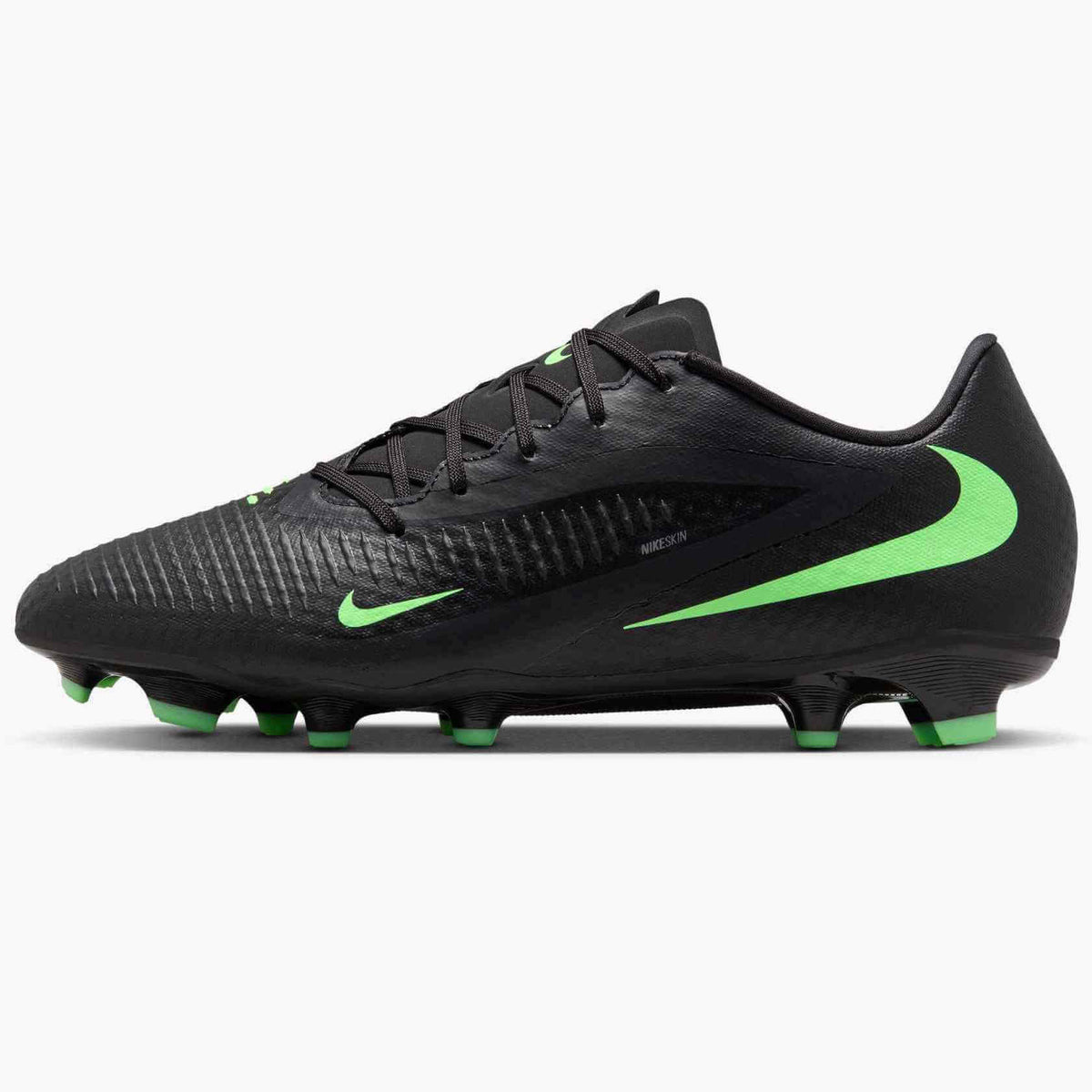
A product photograph may help explain the stud layout, but do not rely on a picture alone to establish the stud material. The manufacturer’s description for the exact model and outsole is a better starting point. If the field assignment or ruling is still uncertain, bring another suitable pair if you already have one.


What counts as a metal soccer cleat?
Metal, removable and soft ground are different descriptions
In soccer, “metal cleats” usually means shoes with metal or metal-tipped studs on the sole. Some soft-ground cleats use removable screw-in studs, and some combine metal studs with studs made from other materials. The details vary by model.
Three descriptions are easy to mix up:
- Metal describes the stud material or part of the stud.
- Removable describes whether a stud can be taken out and replaced.
- Soft ground, often abbreviated SG, describes the type of natural grass surface the outsole is intended for.
A removable stud is not necessarily metal, and an SG label does not tell you the material of every stud on the shoe. If a rule prohibits metal, confirm what the exact stud is made of. If it restricts detachable studs, a nonmetal screw-in stud may still fall within that restriction.
The distinction also matters when comparing two versions of the same cleat. A model name or upper that looks familiar does not establish that both versions have the same outsole. Check the full product description rather than assuming an SG version has the same field use as an FG version.
Soccer studs are not the same as spikes for every sport
A soccer cleat is designed for soccer, while footwear made for baseball or American football can have a different sole and stud layout. Some shoes from other sports have a stud at the front of the toe or a spike shape that may not meet a soccer competition’s requirements.
A toe stud alone is not a reliable test for every rulebook. Rather than cutting or altering another sport’s shoe, ask the organizer whether the exact pair is permitted. When shopping specifically for soccer, comparing soccer footwear intended for your surface is the clearer starting point.
Metal on a soccer shoe should not automatically be treated as identical to a baseball spike. Equally, the word “soccer” on a product does not override a league’s material restriction or make damaged studs acceptable.
Match the outsole to the field
Whether metal is permitted answers only one part of the decision. The cleat also needs to suit the surface. Soft-ground studs are a specialized option for soft natural grass, not a general upgrade for every rainy day or every field.
| Playing surface | Footwear category to compare | Main metal-stud check |
|---|---|---|
| Soft natural grass | Soft-ground, or SG, cleats | Confirm the exact stud material and competition rules. |
| Firm natural grass | Firm-ground, or FG, cleats | Longer SG studs may not suit ground that stays firm. |
| Artificial grass | Artificial-ground, or AG, cleats, or other footwear approved for that field | Check the facility’s policy and the exact cleat’s intended use. |
| Shorter or harder artificial surfaces | Turf, or TF, shoes where appropriate | Confirm that the facility and manufacturer approve the shoe for that surface. |
| Indoor hard court | Indoor soccer shoes | Use footwear intended for the court and permitted by the facility. |
These categories are starting points, not permissions. The manufacturer’s instructions for the exact outsole and the venue’s rules both matter. For example, a facility allowing a category of footwear does not establish that every shoe in that category is intended for its field.
Soft grass is different from simply wet grass
SG cleats are intended for softer natural grass, where their stud design can engage with ground that gives way. Some have longer removable studs than a typical molded FG outsole. That design can be useful when the field conditions match it and the rules permit it.
Rain by itself does not settle the question. Grass can be wet on top while the ground beneath remains firm. A field can also vary across its surface, with soft areas in one place and firmer ground elsewhere.
If you mainly play on firm natural grass, compare FG cleats first rather than choosing SG solely because rain is possible. If your team regularly plays on soft natural grass, SG may be worth considering once you have confirmed the rules and the exact product’s intended use. Neither choice removes the need to check the field conditions on the day.
Artificial fields and indoor courts need a separate check
Artificial surfaces vary. Some are longer artificial grass fields, while others are shorter or harder surfaces better matched to a different type of footwear. AG cleats and TF shoes are not interchangeable names for one universal artificial-surface shoe.
Many artificial-field venues restrict metal studs, so check the facility policy before bringing them. Also check whether the manufacturer intends your exact cleat for that surface. Permission from a league does not change the cleat’s intended use, and a manufacturer’s surface description does not override a venue’s restriction.
Indoor hard courts are another setting altogether. Compare indoor soccer shoes intended for the court rather than an outdoor metal-studded SG cleat. Ask the facility about any sole requirements before using the space.
Multi-ground, or MG, is also a model-specific designation. Do not assume it means a shoe is approved for every natural and artificial field. Read the manufacturer’s surface guidance for that particular outsole and check it against the venue rules.
Inspect metal studs before a match
Look for damage, wear and loose parts
A permitted stud material does not make a worn cleat acceptable. Before playing, turn each shoe over and inspect the entire outsole. Check molded components as well as removable studs, since either can become damaged.
Look for:
- Sharp edges, burrs, cracks or uneven wear on studs.
- Loose or missing removable studs.
- A worn stud or fitting with an exposed part that was not intended to contact the ground.
- Cracks or separation around the soleplate or stud attachment.
If dirt covers the outsole, remove enough loose debris to see the condition of the studs. Handle the cleat carefully if an edge appears sharp. Do not use a shoe with a visibly damaged or loose stud while assuming the referee will accept it.
A referee may find a problem during an equipment check or during the match. If asked to change or correct the footwear, follow the official’s direction. An appropriate backup pair can prevent a footwear problem from becoming a missed playing opportunity.
Replacement studs must fit the exact shoe
Removable does not mean universally interchangeable. Replacement studs can differ in attachment, material and dimensions. Use the cleat manufacturer’s instructions and compatible parts for the exact model.
Do not substitute a different stud simply because it appears to screw into place. A poor fit or an unsuitable component can leave the stud loose or change how the outsole contacts the ground. If you cannot establish which replacement is compatible, ask the manufacturer before making the change.
The same principle applies when a competition prohibits metal. Replacing a metal stud with a nonmetal one is not automatically a solution: first establish whether the manufacturer permits that part on the shoe and whether the competition permits the resulting configuration. If either answer is unclear, use another pair that meets the requirements.
Decide whether you need metal-studded cleats
Start with the fields you use most
A metal-studded SG cleat can make sense for a player who regularly uses soft natural grass, has confirmed that the relevant rules allow it, and finds a suitable fit. It may be less useful as a first purchase for someone whose schedule is mostly firm grass, artificial fields or indoor courts.
Think through the actual schedule before comparing designs:
- Mostly firm natural grass: Start with FG cleats intended for that surface.
- Regularly soft natural grass: Compare SG options and confirm their stud materials and local eligibility.
- Artificial fields: Identify the field type and venue policy, then compare manufacturer-approved AG or TF options as appropriate.
- A mix of surfaces: Check whether one exact shoe is intended and permitted for the fields you use. Do not assume that any one outsole covers them all.
The aim is not to own a pair for every possible forecast. It is to have footwear that fits, is in good condition and is intended and permitted for the places you actually play. If you already own a suitable pair for your regular field, there is no need to replace it solely because metal studs are an option.
Check fit and budget after confirming eligibility
Once you know the permissible outsole, compare fit. Use the size guidance for the correct brand and category, and try the cleats with the playing socks and any permitted inserts you expect to use. Check heel hold, width, toe space and comfort rather than relying on the size printed in another pair.
A snug cleat should not cause pain, numbness or compression. A shoe that is legal for the match but uncomfortable on your foot is not a good choice. For a growing player, look for a fit that works now rather than buying an excessively oversized shoe to leave room for growth.
Consider how often you would use an SG pair before adding it to your gear bag. If soft natural grass is rare in your schedule, a suitable cleat for your regular field may be the more useful purchase. If your games alternate between surfaces, first confirm whether your existing footwear can cover them under the manufacturer’s guidance and each venue’s rules.
The practical answer
Metal soccer studs are not automatically banned under IFAB’s general equipment standard, but the competition, venue and referee’s equipment assessment still matter. They are most relevant when the exact cleat is intended for the field, commonly soft natural grass.
Before your next match, check the rules for the specific event and field, then inspect the studs. If you are shopping, use those answers to narrow the outsole category before comparing fit and price.
Frequently asked questions
Are metal cleats allowed in youth soccer?
They may be, but youth league, age-division, tournament and facility rules can differ. Ask the organizer about the exact stud material and field before buying or wearing a pair.
Can high school soccer players wear metal studs?
The answer depends on the rules governing the particular competition and any applicable state or event requirements. Check with the school or competition organizer rather than assuming a club league’s policy also applies.
Are metal studs allowed on artificial turf?
Some artificial-field facilities restrict or prohibit metal studs. Check the venue’s footwear policy and the manufacturer’s intended use for the exact cleat before playing.
Are metal studs better than molded studs?
Neither is better for every field. Metal-studded SG cleats are intended for soft natural grass, while molded FG cleats are generally intended for firmer natural grass. Choose according to the surface, the exact shoe’s guidance and the applicable rules.