

Introduction
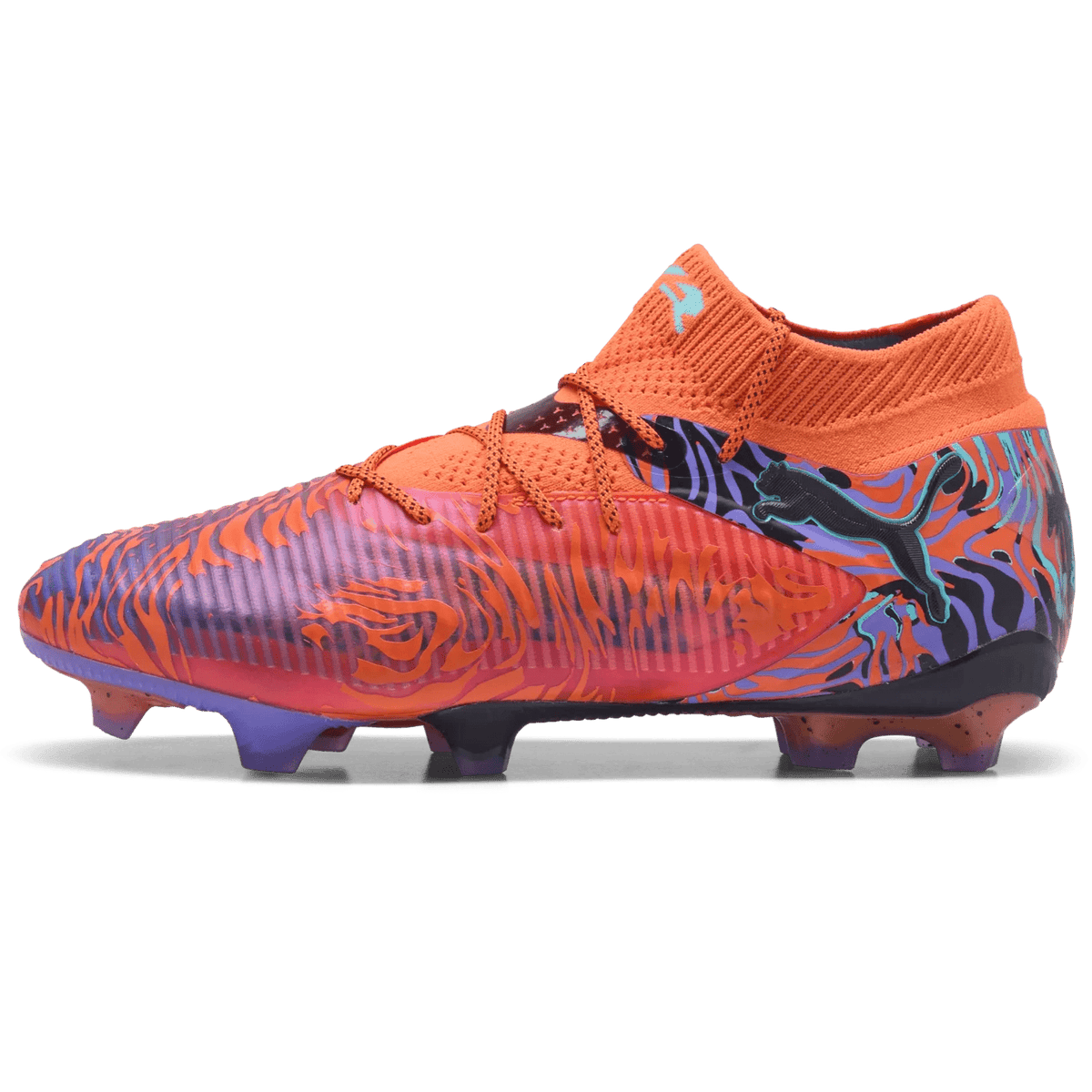
Soccer and lacrosse cleats are not the same, although some pairs can work for both sports. Soccer cleats are designed with kicking and ball contact in mind. Lacrosse cleats may have different stud layouts, including a stud near the very front of the sole, and their uppers and collar heights vary by model.
You may be able to wear soccer cleats for lacrosse if they fit, suit the field and meet your program’s rules. Lacrosse cleats might be permitted for soccer, but you should check the exact sole and the competition’s equipment requirements first. Neither the sport printed on the box nor the presence of a particular stud settles every question.
The differences between soccer and lacrosse cleats
Both sports involve running, stopping and changing direction, so their footwear has some overlap. The useful comparison is between the particular pairs you’re considering, not an assumption that every soccer cleat is lighter or every lacrosse cleat has a high collar.
| Feature | Soccer cleats | Lacrosse cleats |
|---|---|---|
| Main design considerations | Running, changing direction and contact with a soccer ball | Running and changing direction during lacrosse play |
| Stud layout | Varies by model and intended surface | Varies by model; some have a stud near the front of the toe |
| Upper | Designed for a soccer player’s foot and contact with the ball | Construction varies, with some models using added material around the toe |
| Collar | Available in different heights and constructions | Available in different heights and constructions |
| Surface | Must match the model’s intended field type | Must match the model’s intended field type |
Studs and the front of the sole
One visible difference can be a toe stud: a protrusion near the very front of the sole. Some lacrosse cleats have one, while soccer cleats often have a different arrangement at the front. Stud patterns vary within both categories, so look at the actual sole rather than relying on the name of the sport.
A stud near the toe is not the same thing as every stud under the front of the foot. When checking a pair, look at the entire outsole, including the shape, material and condition of the studs. If a soccer organizer has a restriction you don’t understand, a photo of the sole can help you ask about that specific pair.
Don’t cut off or reshape a stud to make a shoe seem acceptable. Altering the sole changes the footwear, and it does not establish that the modified pair meets a league’s rules.
Upper, toe and ball contact
The upper is the part of the shoe that covers the foot. Soccer cleats are designed for a sport in which players regularly pass, receive and strike the ball with their feet. Their uppers differ in material and construction, so the feel of one soccer cleat does not represent every model.
Lacrosse cleats may have a different toe construction or additional material around the upper. That can change how a shoe feels when it contacts a soccer ball, but it does not mean a player cannot kick in it. If soccer is the main use, compare how comfortably the shoes fit and move during normal soccer actions rather than assuming that a thicker-looking upper is automatically unsuitable.
Collar height and movement
Some cleats sit below the ankle, while others have a higher collar. Both styles can appear in lacrosse footwear, and soccer footwear also varies in collar construction. The SCHEELS comparison of soccer and lacrosse cleats describes low-cut designs in both categories.
A higher collar is not proof that a shoe will prevent an ankle injury. It can also feel different around the ankle without changing how securely the rest of the shoe fits. Check the heel, midfoot and toe box, and choose a pair that feels comfortable rather than using collar height as a shortcut for fit.


Can you wear one pair for both sports?
A single pair can be a sensible choice when it meets the requirements for both activities. The decision has three separate parts: whether each program permits the shoes, whether the outsole is intended for each field, and whether the player can wear them comfortably.
Using soccer cleats for lacrosse
Soccer cleats may be suitable for lacrosse, including when a player is trying the sport or already owns a comfortable pair. Before the first session, check the lacrosse program’s footwear requirements and the field surface. Then inspect the shoes for worn studs, loose parts or other damage.
A pair that works for one lacrosse venue does not automatically suit another. For example, soccer cleats intended for natural grass should not be assumed appropriate for an artificial field just because both sports are played outdoors. If the player has trouble with fit or the pair is not intended for the surface, solve that problem rather than relying on the soccer label.
There is no need to buy a separate lacrosse pair solely because someone plays regularly. A different pair becomes worth considering when it better matches the field, the program’s rules or the player’s comfort.
Using lacrosse cleats for soccer
You may be able to wear lacrosse cleats for soccer, but confirm that the specific pair meets the soccer competition’s equipment rules. Pay particular attention to the sole, including any stud at the front, and ask the organizer how its rules apply to that shoe. An official may also inspect equipment at a game.
Don’t assume that every toe stud is automatically prohibited everywhere, or that every lacrosse cleat without one is automatically permitted. Rules and field requirements can differ. The shoe must also fit comfortably and be intended for the playing surface.
For a player who primarily plays soccer, a soccer-specific pair is a straightforward choice because it is designed for soccer activities. That recommendation is about choosing the footwear for its intended use, not a claim that every lacrosse shoe is impossible to play soccer in. Pro Soccer’s soccer footwear collection includes cleats for different surfaces.
When one pair is enough
Before buying a second pair, check the shoes you already have against both activities:
- Program rules: Ask each organizer about the exact footwear, including the stud material and layout if those are in question.
- Field type: Confirm that the manufacturer intends the outsole for each surface, and check any venue restrictions.
- Fit: Try the shoes with the socks and any permitted inserts the player will use.
- Condition: Look for damaged or loose studs, separation in the sole and an upper that no longer holds the foot comfortably.
A pair that passes one check still needs to pass the others. League permission does not establish that an outsole is intended for a particular field, and a surface label does not settle league rules.
If all four checks are satisfactory, keeping the existing pair can be a budget-conscious decision. If only one condition fails, identify that condition before shopping. A player changing between natural grass and artificial grass, for example, may need a different outsole rather than simply a different sport label.
Match the outsole to the field
Stud shape alone cannot tell you where a cleat is permitted or how it will perform on every surface. Use the manufacturer’s information for the exact model, then check the field operator’s requirements. This matters whether the shoe is marketed for soccer or lacrosse.
Natural grass and soft ground
Firm ground, often abbreviated FG, generally refers to cleats intended for natural grass. Soft ground, or SG, generally refers to footwear intended for softer natural grass. The correct choice still depends on the model, the field and any competition restrictions. Pro Soccer’s soccer cleat buying guide explains common outsole labels.
Don’t assume that an SG pair is appropriate for every wet field or that its studs are permitted in every program. If conditions or rules are unclear, ask the venue or organizer before play. A shoe’s sport category does not override its intended surface.
Artificial grass and shorter artificial turf
Artificial grass, or AG, refers to synthetic playing fields, but artificial fields are not all alike. A manufacturer’s AG designation is useful when it applies to the exact model; it is not a blanket guarantee that the shoe is allowed at every venue.
Turf footwear, often labeled TF, generally refers to shoes intended for shorter or harder artificial surfaces. MG, or multi-ground, depends on the manufacturer’s description for the exact shoe. It should not be treated as permission to use the pair on every field.
If a player uses natural grass for one sport and artificial grass for the other, check both uses separately. An FG soccer cleat is not universally suitable for AG, and a lacrosse cleat should not be assumed suitable for an artificial surface without matching manufacturer guidance.
Indoor courts
An indoor court is a different surface from an outdoor artificial field. For indoor soccer or another court activity, use footwear intended for the court and permitted by the facility. A studded outdoor cleat should not be treated as an indoor shoe simply because it is used for soccer or lacrosse.
If the facility specifies a particular sole requirement, check it before the session. That helps you avoid arriving with a pair that fits well but cannot be worn on the playing surface.
Choose a comfortable pair for the player
Once you know the rules and surface, fit is the next useful filter. A cleat can have the right outsole and still be the wrong shape or size for the player’s foot. The same is true whether it is sold for soccer or lacrosse.
Check length, width and heel hold
Start by measuring the foot and using the manufacturer’s chart for the correct brand and category. US men’s, women’s and youth sizes are not interchangeable labels, and a foot-length measurement is not the same thing as the length of an insole. Use the chart that applies to the exact footwear rather than assuming a universal conversion.
Try the shoes with the socks the player will wear, along with any permitted inserts. The foot should feel secure without painful pressure, numbness or compressed toes. A snug soccer fit should still be comfortable, and the heel should feel held in place when the player walks.
A few fit checks are more useful than comparing the size number alone:
- Toe area: The toes should not feel squeezed or forced against the front.
- Width and midfoot: Check for pressure across the sides and top of the foot, not only at the laces.
- Heel: Notice excessive slipping or rubbing when walking.
- Overall feel: Try both shoes, since feet and shoe fit can differ from side to side.
If the store permits an indoor try-on, walk in the shoes and make gentle movements in a clean area. For Pro Soccer purchases, check the applicable return terms before taking a new pair onto a field. Don’t plan to play through pain or rely on heat or soaking to force a poor fit.
Consider youth fit without buying too large
For a child playing both sports, a shared pair can make sense if it fits and meets both programs’ requirements. An excessively oversized shoe is not a good solution for allowing room to grow. The player still needs secure heel hold and comfortable movement now.
Check the current fit rather than assuming the size from a previous season still works. If the child uses different socks for the two sports, try the cleats with each pair. A shoe that feels comfortable with one sock may feel noticeably tighter with another.
A lower-priced pair that fits and suits the field can be a reasonable choice. The label or price tier does not determine a young player’s potential, and a sport-specific upgrade is not necessary merely to show commitment. Pro Soccer’s guide to kids’ soccer cleats covers fit and field checks.
Check the condition of an existing pair
A pair brought out for a second sport deserves a close look, especially if it has already seen a season of play. Check that the outsole remains attached, the studs are intact and the upper still holds the foot securely. Pay attention to anything that catches, shifts or creates discomfort.
Wear depends on the shoe, the surface and how it is used, so there is no reliable replacement schedule that applies to every pair. If damage affects the sole or fit, consider replacement rather than assuming the cleats will be suitable for another season.
For care, use the instructions for the exact materials and model. Remove loose field debris as directed, and store the shoes where they can dry without applying direct heat. Avoid soaking, chemicals or machine washing unless the manufacturer permits them for that pair.
Make the choice for both activities
Soccer and lacrosse cleats share some purposes, but their soles and construction can differ. Soccer cleats may work for lacrosse, and lacrosse cleats may be permitted for soccer. Neither swap is automatic.
Start with the pair you have or are considering. Check its fit and condition, confirm the manufacturer’s intended surface, and ask both organizers about any uncertainty in their footwear rules. If the pair meets those checks and feels comfortable, one set of cleats may be enough.
Frequently asked questions
Can soccer cleats be used for lacrosse?
They may be used if the lacrosse program permits them, the outsole is intended for the field and the shoes fit comfortably. Check the exact pair rather than assuming that every soccer cleat is suitable for every lacrosse surface.
Can you play soccer in lacrosse cleats?
Possibly, but check the soccer competition’s equipment rules and the field’s requirements first. Inspect the sole, including any front toe stud, and ask the organizer about the specific shoe if you are unsure.
Do all lacrosse cleats have a toe stud?
No. Lacrosse cleat designs vary, so inspect the sole of the exact model. A toe stud alone also does not establish whether a shoe is permitted in a particular competition.
Does a player need separate cleats for each sport?
Not necessarily. One comfortable pair can be a practical choice if it meets both programs’ rules and is intended for both playing surfaces. Separate pairs may be useful when the surfaces, fit or equipment requirements differ.